

Avoiding Horse Rug Rub Marks: Complete Fit & Prevention Guide
Author: Jane Griffiths Date Posted:1 December 2025
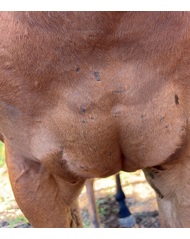

Avoiding Horse Rug Rub Marks: Fit, Fabrics & Comfort
Updated December 2025
For Australian horse owners seeing shoulder rub, chest rub or wither pressure, this guide explains the real reasons rub marks develop, the common misunderstandings around rug fit, and the simple adjustments that prevent 90% of cases.
Rub marks are one of the most frequently misunderstood rug issues. They often appear even when owners believe the rug “fits fine” — especially between late January and early March when horses shed their thin summer coat and begin growing a denser winter coat. During this time the coat becomes slippery, humidity increases friction, and heavier rugs magnify pressure points. Understanding these seasonal and fit-related factors helps owners prevent rubs before they start.
What Are Horse Rug Rub Marks?
- Friction patches that form on the chest, shoulders or wither.
- Usually caused by the rug’s position shifting, not the rug material itself.
- Most common during seasonal coat changes when hair is softer and more vulnerable.
- Often linked to humidity, sweating, or rugs worn for long periods without adjustment.
- Preventable with correct sizing, the right neckline, and shoulder freedom.
Why Do Rug Rub Marks Happen?
Many owners assume rub marks mean the rug is faulty or the fabric is “harsh,” but in practice, rubs almost always come back to fit, movement and coat condition — not rug defects. Here are the true causes:
- Incorrect sizing: Too small = shoulder pressure. Too large = rug slides back and pulls at the chest.
- Seasonal coat changes: Thin summer coat + new winter growth makes the coat far more sensitive.
- Extended rug wear: Any rug worn for long periods without adjustment will eventually create friction.
- Sensitive coats: Fine-coated horses may rub in heavier fly mesh or turnout rugs sooner than others.
- Individual build: High withers, prominent shoulders or a lean frame can change how a rug sits.
Like people, horses have unique shapes. Two horses wearing the same size can experience totally different pressure points. When rubs appear, the solution is nearly always found in the rug’s cut, adjustment or positioning, not the product failing.
Common Fit Problems That Cause Rub Marks
These are the issues we see most often when owners report rubbing:
- Rug slipping behind the wither: The single biggest cause of chest and shoulder rub.
- Neckline too deep: Works for very broad horses but causes problems on average or narrow builds.
- Chest straps uneven: Creates twist and friction on one side.
- Rug too large: Slips back, lifts at the front, and magnifies shoulder friction.
- Rug too small: Pulls tightly across the shoulders and wither.
How to Correct Rug Fit
If a rug is rubbing, these simple checks resolve most cases:
- Ensure the rug sits forward over the wither — not sliding back.
- Use the 1st or 2nd chest buckle hole. If you’re on the 3rd or 4th, the size is probably wrong.
- Check the chest: it should be firm but not tight.
- Leg straps should be loose enough to avoid chafing but not hanging low.
- Surcingles should cross under the belly with a hand’s width clearance.
- The tail flap seam should sit on top of the tail, not behind or in front.
Chest Straps: Getting It Right
Both chest straps must sit on the same buckle hole. Uneven straps cause the rug to twist or drag to one side, leading to rubbing even when the rug’s size is correct.
Tail End: Proper Length Matters
A rug hanging too far over the hindquarters is nearly always a size too big. Owners often size up “for extra length,” but this increases every measurement — chest, drop, neckline — and is a major cause of rubbing. Delzani rugs include generous tail flaps so you never need to size up for length.
Shoulder Gussets & Why They Matter
When placed correctly, gussets provide shoulder freedom and reduce friction. When placed too far forward or too shallow, they can actually create rubbing. Rugs with belly surcingles especially benefit from correct gusset placement.
How Should a Rug Fit? (At a Glance)
- Sits forward over the wither, not behind it.
- Chest buckles on 1st or 2nd hole.
- High neckline, not deep-cut.
- Belly straps adjusted with a hand’s width clearance.
- Tail flap seam sits directly on the tail.
- No slipping, twisting or shifting as the horse moves.
For full sizing instructions, see our Delzani Horse Rug Sizing Guide.
Sizing & Rug Choice Tips
Not all rugs fit the same. Winter turnout rugs with padding feel tighter than summer sheets. Layering pads or under-rugs also adds bulk and may require sizing changes. Imported rugs often use overseas measurement systems, making them fit differently compared with Australian-sized rugs. When a horse is between sizes, their build — not the number on the label — determines the best fit.
Preventing Damage to the Rug & Your Horse
Incorrect sizing not only causes rub marks — it can damage the rug or even cause a safety risk:
- Too small: Excess pressure on chest buckles and wither.
- Too large: Slipping, leg entanglement, and shoulder rub.
- Loose leg straps: A major cause of horses stepping through straps.
- Loose surcingles: Dangerous during rolling or cantering.
If you are uncertain about fit, place a cotton sheet under the rug for the first trial to check positioning without marking the new rug.
FAQs
Why does my horse get shoulder rub?
Most shoulder rub happens when a rug is too large and slides back behind the wither, pulling tightly across the chest.
Do gussets help prevent rub?
Yes — when placed correctly. Poorly placed gussets can worsen rubbing rather than prevent it.
Should I size up for extra length?
No. Oversizing increases rubbing and slippage. Choose the correct size for your horse’s build instead.
Need a better-fitting rug? Explore our premium Delzani horse rugs, designed with high necklines, ergonomic cuts and anti-rub linings.
Written by Jane Griffiths — An experienced Australian horse owner and product developer with over three decades immersed in equestrian life. Jane has spent years refining horse rugs, tack and riding apparel to better suit Australian climates. Her hands-on understanding of equine comfort inspires every design.
Related Equestrian Guides
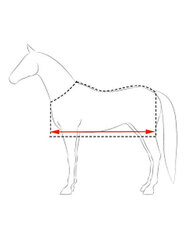
Delzani Horse Rug Sizing Guide
We have put together this comprehensive guide to help you purchase the ideal size Delzani horse rug.
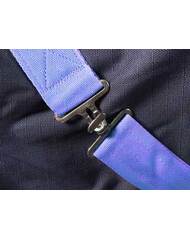
How to fit & adjust horse rug belly surcingles
Belly surcingles keep horse rugs secure, but only if fitted correctly. We answer common questions on what surcingles do, why they matter, and how proper adjustment ensures comfort, safety, and longer rug life for horses in Australian conditions.
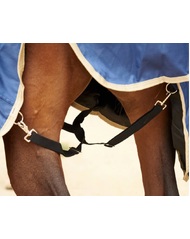
A Guide to Delzani Horse Rug Fabrics

Horse Rugging: 8 Common Mistakes Horse Owners Should Avoid This Summer
Rugging in the Australian summer can protect your horse from sun, flies and coat damage, but the wrong rug can cause overheating, rubbing and discomfort. Learn 8 common rugging mistakes and how to keep your horse cool, safe and comfortable this season.
Preventing Shoulder Rubs in Horses: Why Shoulder Guards Make a Difference
Protect your horse’s shoulders before rubs start - learn why they happen, how to prevent them, and why Australian riders trust Delzani Shoulder Guards to keep coats glossy, comfortable and show-ready all year round.
Privacy Policy

Delzani is committed to providing you with a high level of customer service. This includes protecting and maintaining the privacy, accuracy and security of your personal information. We are bound by and will abide by the National Privacy Principles in the Privacy Act (Cth) 1988 . This is in addition to our existing obligations under the Privacy Act.
What personal information do we collect and hold?
In the process of conducting our business we are likely to collect a wide range of personal information about you. The type of personal information we collect always includes your name, residential and billing address, email address, telephone or mobile numbers and products and services we provide to you. We don’t store any credit card information on our web site. We pass it onto our bank for processing.
How do we collect personal information?
Delzani collects personal information directly from you when you submit it online at Delzani.com.au . There may be occasions when we collect information from publicly available sources or third parties. This information includes names, email addresses, telephone numbers and social media profile name sourced from permission based marketing activities.
Cookies and Web beacons
A cookie is a small text file that is stored on a user’s computer for record-keeping purposes. We use cookies on this site. We use session ID cookies. We use session cookies to make it easier for you to navigate our site. A session ID cookie expires when you close you browser. If you reject cookies, you may still use our site, but your ability to use some areas of our site will be limited.
Some of our business partners (e.g. tracking utility company) use cookies and Web beacons on our site. We have no access to or control over these tracking technologies.
Delzani advertises with Google. Google may show you our ads based on your having visited our site. If you do not wish to see these ads you can opt-out by visiting the Google advertising opt-out page here http://www.google.com/privacy_ads.html.
Rate and Review
If you provide a review or rating for a product available through Delzani Online we reserve the right to publish part or all of your review or rating together with your first name and suburb.
Links to Other Sites
This Website contains links to other sites that are not owned or controlled by Delzani. Please be aware that we, Delzani, are not responsible for the privacy practices of such other sites. We encourage you to be aware when you leave our site and to read the privacy statements of each and every Web site that collects personally identifiable information. This privacy statement applies only to information collected by this website.
How do we use personal information?
In order to improve and better our offers and service, we may keep track of patterns of use in the e-mails and social interactions we send. By supplying us your information, you have given us permission to communicate to you via mail, e-mail, SMS, MMS, social media and telephone to inform you about services we deliver relevant to you indefinitely.
Disclosure of personal information
We may use or disclose your personal information to organisations outside Delzani for purposes relating to the management of your account with us. Such organisations include: Service providers who manage the services provided to you; mailing systems which organise delivery of the products you have purchased; live help service providers, maintenance and repair services; market research; and our professional advisers, accountants, lawyers and auditors.
We require these organisations to adhere to strict confidentiality of your personal information and also seek to ensure that they adhere to the National Privacy Principles. These service providers may not use your personal information for their own marketing purposes.
Security
Delzani takes reasonable steps to ensure that your personal information is secure. We have robust systems and procedures in place to protect your privacy whenever we collect, store and use or disclose personal information. We are continually upgrading these systems and reviewing our procedures to ensure the highest standards of security are used to protect your personal information.
How to access and amend personal information
If you wish to obtain a copy of our data privacy policy, access the personal information we hold about you or your personal information is inaccurate, incomplete outdated or to unsubscribe, please direct any queries regarding your privacy rights email sales@delzani.com.au.
The release of information is subject to some exceptions such as information relating to existing or any anticipated legal proceedings, together with exceptions provided by the Privacy Act. Our objective is to respond to any request within a reasonable timeframe and no later than 30 days.
How your information may be shared
Except for the purposes outlined in the Delzani Privacy Policy, we never sell or disclose your personal information. However, we may release personal information under the following circumstances:
-
when requested by the courts or laws (for example, a subpoena) or regulation or is requested by a government agency;
-
where we deem a company or an individual may be engaged in fraudulent activity or other deceptive practices that a governmental agency should be made aware of; and/or to appropriate persons, where your communication suggests possible harm to others.
Changes in this Privacy Policy
If we decide to change our privacy policy, we will post those changes to this document, the home page and other places we deem appropriate so that you are aware of what information we collect, how we use it and under what circumstances, if any, we disclose it. We reserve the right to modify this privacy policy at any time, so please review it frequently. If we make material changes to this policy, we will notify you here, by email, or by means of a notice on our homepage.

Shop Now. Pay Later.
Always interest-free.

Add your favourites to cart

Select Afterpay at checkout

Log into or create your Afterpay account, with instant approval decision

Your purchase will be split into 4 payments, payable every 2 weeks
All you need to apply is to have a debit or credit card, to be over 18 years of age, and to be a resident of country offering Afterpay
Late fees and additional eligibility criteria apply. The first payment may be due at the time of purchase
For complete terms visit afterpay.com/terms